
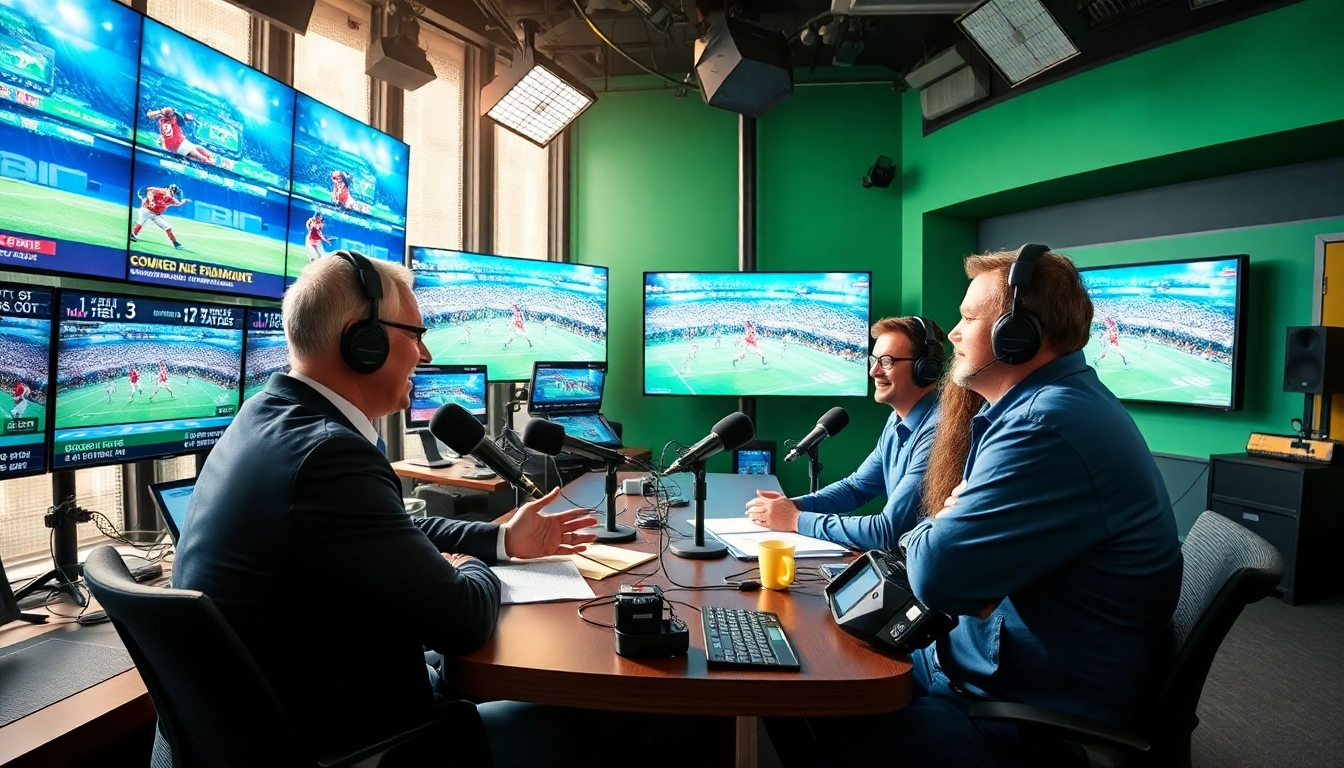
Understanding the Landscape of Sports Broadcasting
What is Sports Broadcasting?
Sports Broadcasting refers to the delivery of live or recorded sports events and related content through various media channels, including television, radio, and digital platforms. It serves as a bridge between sports organizations and their audiences, providing fans access to their favorite teams and events from anywhere in the world. Through the magic of technology, Sports Broadcasting has evolved to include instant replays, multiple camera angles, and real-time statistics, enhancing the viewer experience immensely. This combination of entertainment and information draws millions of viewers, making it one of the most engaging facets of modern media. For those looking to explore more, understanding the intricate workings of Sports Broadcasting is pivotal.
The Evolution of Sports Broadcasting Media
The journey of sports broadcasting began in the early 20th century with radio broadcasts, bringing the excitement of live sports into homes across the nation. As the technology evolved, so did the broadcasting methods. The 1950s marked the golden age of television, where sports began to capture large audiences, leading to innovations like color TV and live telecasts. The 1980s and 1990s saw the explosion of cable sports networks, which provided almost round-the-clock sports coverage, thereby changing how fans consumed sports. In the 21st century, digital streaming platforms have emerged, enabling viewers to access sports content via smartphones, tablets, and laptops, paving the way for a more personalized and on-demand viewing experience. The evolution of media technologies continues to reshape Sports Broadcasting, making it more accessible and interactive.
Key Players in the Sports Broadcasting Industry
The landscape of sports broadcasting is populated by various entities, including major television networks, online streaming platforms, and sports leagues themselves. Networks such as ESPN, NBC Sports, and Fox Sports are considered traditional giants that dominate live sports telecasts. With the rise of technology, companies like Amazon, Roku, and DAZN have entered the arena, offering unique content and experiences that draw younger audiences. Additionally, sports leagues like the NFL, NBA, and MLB have developed their broadcasting networks, allowing for more control over their content and direct engagement with fans. This competition intensifies every year, driving innovation and improved viewer experiences.
Essential Skills for Aspiring Sports Broadcasters
Communication Skills in Sports Broadcasting
Effective communication is at the heart of sports broadcasting. Broadcasters must articulate information clearly and engagingly to captivate their audience. This demands not only a firm understanding of the sport but also the ability to convey information in real-time, particularly during live events. Aspiring broadcasters should hone their verbal and non-verbal communication skills, practice public speaking, and become adept at storytelling, as these skills will help them connect with both the audience and on-screen personalities.
Technical Proficiency and Broadcasting Tools
In today’s digital age, understanding the technical components of broadcasting is crucial. Familiarity with broadcasting software, video editing tools, and sound equipment is essential for a successful career. Aspiring broadcasters should also develop skills in using graphics and analytics tools to create compelling presentations. Embracing technology not only enhances their versatility but also increases their value in a competitive job market.
Building a Personal Brand in Sports Broadcasting
In an industry that thrives on personal connection, developing a strong personal brand is vital for aspiring sports broadcasters. This involves leveraging social media platforms to showcase one’s personality, expertise, and insights into sports. Regularly creating engaging content, such as analysis pieces or commentary videos, can help build a robust online presence. Networking within the industry through events and collaborations can further enhance a broadcaster’s visibility and credibility, opening up opportunities for growth and advancement.
Strategies for Effective Sports Broadcasting
Content Creation Techniques for Sports Broadcasting
Creating compelling content is fundamental in engaging sports audiences. Broadcasters should adopt various approaches, such as in-depth analysis, player interviews, and behind-the-scenes footage, to add layers to their coverage. Utilizing different formats—videos, podcasts, articles—can cater to diverse audience preferences. Furthermore, incorporating interactive elements like polls or Q&A sessions can foster audience engagement, making them feel more connected to the broadcast.
Engaging Audiences through Social Media
Social media platforms serve as powerful tools for broadcasters to engage with audiences. Utilizing platforms like Twitter, Instagram, and TikTok allows for real-time interaction and dissemination of content. Sharing live updates, highlights, or responsive content builds a sense of community among fans. Providing exclusive content or behind-the-scenes access can deepen audience loyalty and enhance viewership, translating to higher engagement levels during broadcasts.
Utilizing Analytics for Performance Improvement
In the sports broadcasting domain, data-driven decision-making is increasingly important. Broadcasters should utilize analytics to assess their performance and audience engagement levels. Tracking metrics such as viewer ratings, social media interactions, and audience feedback provides insights into what resonates with viewers. This information can be used to tailor future broadcasts and content strategies, enhancing overall performance and viewer satisfaction.
Challenges in the Sports Broadcasting Industry
Adapting to Technological Changes
As technology continually evolves, sports broadcasters must adapt to stay relevant in an increasingly competitive landscape. Innovations such as augmented reality, virtual reality, and advanced streaming technologies offer exciting opportunities, but they also present challenges in terms of implementation and learning curves. Broadcasters need to embrace continuous learning and adopt new technologies to enhance the viewer experience while ensuring quality and reliability.
Managing Live Broadcasts and Unexpected Events
One of the biggest challenges in sports broadcasting is managing the unpredictability of live events. From unexpected player injuries to weather disruptions, broadcasters must be prepared for any situation that arises during a live broadcast. Developing contingency plans, hiring skilled production teams, and conducting thorough pre-event briefings are essential strategies for ensuring smooth operations under pressure.
Addressing Ethical Considerations in Sports Broadcasting
Ethical considerations play a crucial role in the sports broadcasting industry. Broadcasters must navigate issues such as the right to privacy, the sensationalism of events, and the representation of diverse perspectives. Establishing a clear ethical framework helps broadcasters maintain credibility while ensuring the audience receives balanced and fair coverage. Regular training and dialogue on ethical practices can foster a culture of integrity and responsibility within broadcasting organizations.
The Future of Sports Broadcasting
Emerging Trends Influencing Sports Broadcasting
The future of sports broadcasting is shaped by several emerging trends. The shift towards streaming technology is prominent, as more viewers prefer on-demand content over traditional cable TV. Moreover, the integration of artificial intelligence and machine learning in analyzing viewer preferences is gaining traction, leading to personalized content delivery. Broadcasters must remain agile, adapting to these trends to enhance the audience experience and capitalize on new opportunities as they arise.
The Impact of E-sports on Traditional Broadcasting
E-sports is radically transforming the traditional sports broadcasting landscape. As their popularity surges, e-sports attracts younger demographics who prioritize digital engagement. Traditional broadcasters are increasingly investing in e-sports content to tap into this burgeoning market. This cross-pollination of audiences may lead to innovative content formats and broadcasting strategies, blending e-sports with conventional sports broadcasting for added appeal.
Preparing for the Next Generation of Viewers
The next generation of viewers approaches sports media differently, prioritizing interactivity and accessibility. Broadcasters must adapt to these preferences by innovating viewing platforms and formats. This may include enhanced mobile apps, immersive viewing experiences, and user-generated content. Engaging younger audiences through social media and interactive features will be critical for broadcasters to remain relevant and capture the attention of future sports fans.
Frequently Asked Questions (FAQs)
What skills are essential for sports broadcasters?
Key skills include effective communication, technical proficiency with broadcasting tools, and the ability to create engaging content. Building a personal brand helps as well.
How has technology changed sports broadcasting?
Technology has introduced live streaming, improved graphics, data analytics, and interactive features, enhancing the overall viewer experience and accessibility.
What are the biggest challenges in sports broadcasting?
Challenges include adapting to rapid technological changes, managing live broadcasts, handling unexpected events, and addressing ethical concerns in coverage.
How can broadcasters engage with audiences through social media?
Broadcasts can use social media for real-time updates, interactive content, polls, and behind-the-scenes insights, fostering deeper connections with their audience.
What does the future hold for sports broadcasting?
The future will see continued growth in streaming, increased integration of e-sports, and a focus on interactive, personalized viewing experiences for younger audiences.